
 See My Latest Article on HelloNation
Why is the furnace not turning on?
A furnace that does nothing when the thermostat calls for heat may have a simple control or power problem. Begin with the thermostat, then check the electrical supply and safety switches before assuming the heating system has failed.
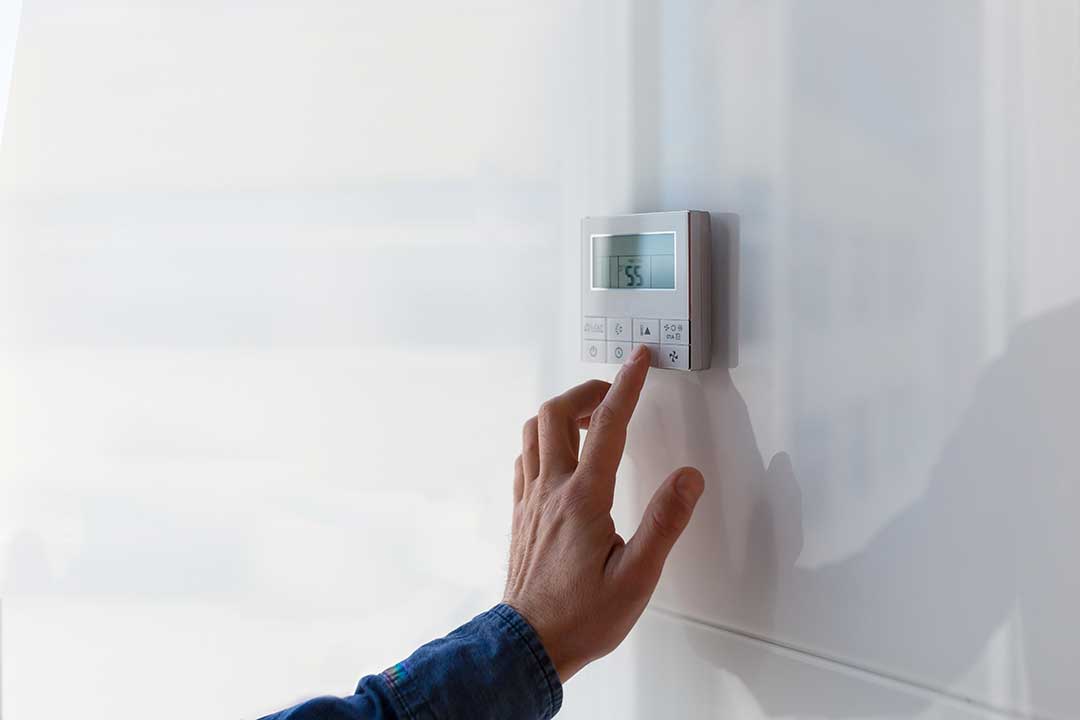
Set the thermostat to Heat and raise the temperature several degrees above the current room temperature. If the thermostat display is blank, replace its batteries if it uses them. A display that remains blank may indicate a tripped circuit breaker, a disconnected power source, or a thermostat problem.
Check the furnace’s electrical circuit at the main panel. A breaker that has tripped once can usually be reset by moving it fully to the off position and then back to on. If it trips again, leave it off. Repeated tripping can indicate an electrical fault that should not be bypassed.
Many furnaces also have a service switch near the unit that resembles a standard light switch. It may have been turned off accidentally during storage, cleaning, or other household work. The furnace cabinet door must also be seated correctly because a safety switch may prevent operation when the panel is removed or misaligned.
Why does the furnace run but produce little or no warm air?
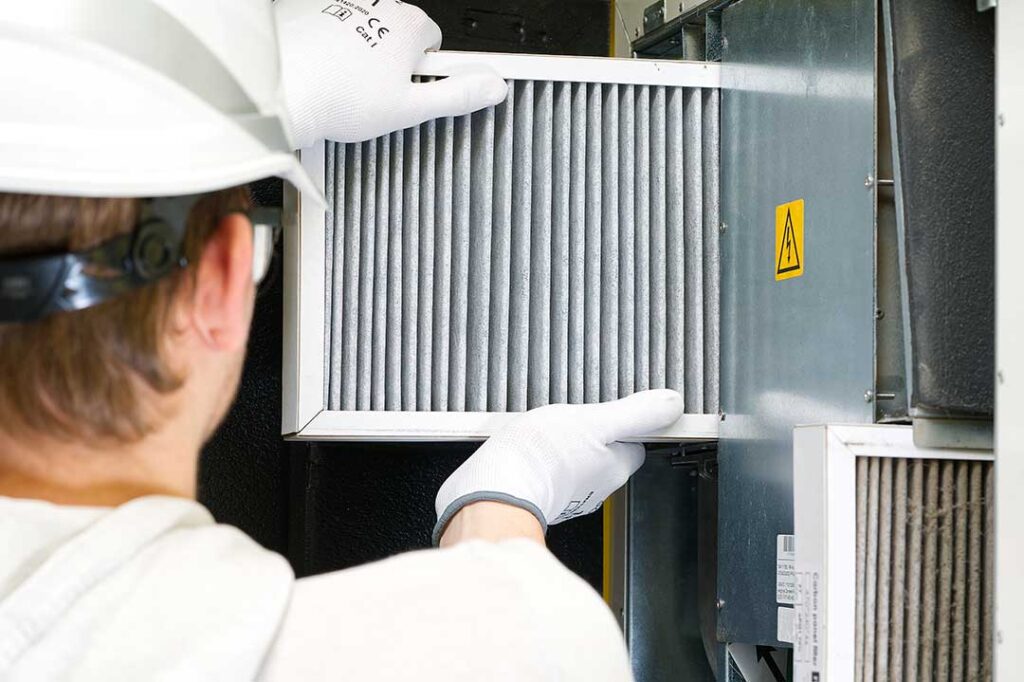
A furnace that operates without heating the home may have restricted airflow, an ignition problem, or a fuel supply issue. The filter is the safest place to start because a clogged filter can reduce airflow and cause the system to shut down for protection.
Remove the filter and inspect it under good lighting. If dust and debris cover much of the surface, replace it with the correct size and type. A filter that is too restrictive can also reduce airflow, especially when the blower is already working hard. Filters should fit snugly without bending, collapsing, or leaving large gaps around the frame.
Next, check supply registers throughout the home. Closing too many vents can disrupt the system’s designed airflow. Furniture, rugs, curtains, and boxes can also block registers or return-air grilles.
If the blower runs but the air remains cool, listen for the sequence of operation. Many systems start the blower only after ignition, while others may briefly circulate room-temperature air during startup. Persistent cool airflow can point to a failed ignition component, a problem with the gas supply, or a malfunctioning flame-sensing system.
Do not remove sealed burner panels or attempt to relight equipment unless the manufacturer specifically provides a safe, accessible procedure. Modern furnaces use several safety controls, and bypassing one can create a fire or carbon monoxide hazard.
Why does the furnace keep turning on and off?
Short cycling means the furnace starts, runs briefly, shuts down, and repeats the pattern before the home reaches the thermostat setting. A dirty filter, blocked airflow, overheating, or an inaccurate thermostat can cause this behavior.
Replace a dirty filter and make sure return grilles are unobstructed. Check that supply registers are open and that interior doors are not preventing air from moving through rooms. In homes with closed-off rooms, insufficient return airflow can make the furnace heat too quickly near the thermostat while other areas remain uncomfortable.
The thermostat’s location also matters. A thermostat near a supply register, exterior door, kitchen, fireplace, or sunny window may sense an unrepresentative temperature. This can cause the system to stop before the rest of the home is comfortable.
Short cycling should not be ignored. Repeated overheating can place extra stress on the heat exchanger, blower motor, ignition system, and electrical controls. If basic airflow checks do not correct the problem, the system requires further diagnosis.
What causes uneven temperatures between rooms?
Uneven heating often results from airflow imbalance rather than a furnace that is too small or too weak. Rooms far from the furnace, rooms above garages, and spaces with large windows may lose heat faster than centrally located rooms.
Keep return-air pathways clear and leave interior doors open when practical. If a room has a supply register but no return grille, air may struggle to circulate when the door is closed. A door undercut may provide some airflow, but it may not be enough for every layout.
Ductwork can also affect room temperature. Flexible ducts may become compressed, disconnected, or sharply bent in attics, crawlspaces, or tight mechanical areas. Leaks can release heated air before it reaches the living space.
In this coastal climate, mild winter weather can make temperature differences seem inconsistent. A sunny room may warm quickly during the day, while a shaded room cools faster overnight. Humidity can also affect comfort, making a room feel cooler or warmer even when the thermostat reading changes very little.
Why is the furnace making unusual noises?
Different sounds suggest different conditions. A brief clicking sound during startup may be normal, but repeated clicking without ignition may indicate an ignition or control issue.
A rattling sound can come from a loose access panel, unsecured duct section, or blower-wheel debris. Screeching or squealing may indicate a worn belt or motor bearing on older equipment. A grinding sound should be treated more seriously because it can point to a failing motor or damaged blower assembly.
A banging sound at startup may result from delayed ignition or accumulated debris in the burner area. This is not a normal operating sound. Turn off the system and avoid opening the burner compartment.
Do not place objects on or against the furnace to silence vibration. The cabinet needs proper clearance, and temporary fixes can hide a developing mechanical problem.
What should residents do if they smell gas or suspect carbon monoxide?
A gas odor requires immediate caution. Do not operate light switches, use a phone near the suspected leak, smoke, or create any spark. Leave the building and contact the local gas utility or emergency services from a safe location.
Carbon monoxide has no color or smell. Warning signs may include headache, dizziness, nausea, unusual fatigue, confusion, or multiple people feeling ill indoors. Leave the home immediately if carbon monoxide is suspected and seek emergency assistance.
Carbon monoxide alarms should be installed near sleeping areas and on each level where required by local safety rules. Test them regularly and replace batteries or the entire alarm according to the manufacturer’s instructions. An alarm is not a substitute for safe furnace operation, proper venting, and routine inspection.
When is a furnace problem unsafe to troubleshoot?
Homeowners can safely check thermostat settings, filters, breakers, registers, and visible obstructions. More involved work should stop when it involves gas piping, combustion components, electrical wiring, refrigerant equipment, sealed access panels, or venting.
Stop using the furnace if there is a gas odor, soot around the unit, scorch marks, repeated breaker trips, unusual flame behavior, a cracked or damaged vent, or a carbon monoxide alarm. These conditions involve fire, combustion, electrical, or indoor-air-quality hazards.
A furnace that produces heat but operates irregularly may still require attention even if the home eventually reaches the desired temperature. Keeping a brief record of the symptoms—startup behavior, operating time, noises, thermostat setting, and filter condition—can help identify patterns without attempting unsafe repairs.