

 See My Latest Article on HelloNation
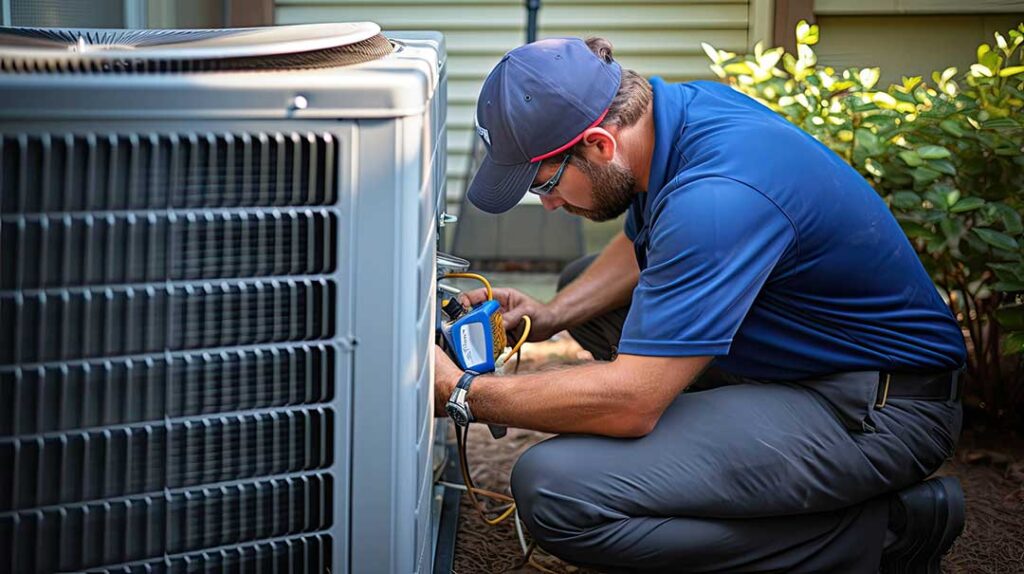
In Summerville, SC, heating and cooling systems work through long, humid summers, mild winters, pollen-heavy spring weather, and occasional sharp temperature changes. Those conditions create plenty of HVAC advice, but not all of it is accurate.
Some common beliefs are harmless oversimplifications. Others can increase energy use, worsen indoor humidity, or delay attention to a developing problem. The following explanations separate practical HVAC guidance from popular myths.
Does setting the thermostat much lower cool a home faster?
No. A thermostat is a control device, not an accelerator.
If the indoor temperature is 80°F and the thermostat is set to 72°F, the cooling system generally operates at the same capacity whether the setting is 78°F or 68°F. Setting it lower does not make the air conditioner produce colder air or remove heat more quickly for single-stage equipment. However, for true variable speed equipment and inverter technology, the system does have the capability to increase or decrease cooling and heating capacity. These systems require a longer runtime and can dehumidify better than single-stage equipment.”
A very low setting can create other problems:
- The system may run longer than necessary.
- Indoor humidity may remain uncomfortable if the equipment is oversized, causing short-cycling, or airflow is poor.
- Rooms can become colder than intended before the thermostat reaches the selected temperature.
- Energy use may rise without improving the rate of cooling.
For faster comfort, closing blinds, reducing heat-producing activities, and allowing supply vents to remain unobstructed are usually more useful than turning the thermostat far below the desired temperature.
Is it cheaper to leave the HVAC system running constantly?
Not usually. Maintaining the exact same indoor temperature all day can use more energy than allowing a reasonable adjustment when the home is empty or residents are asleep.
The best approach depends on the system and the household. A modest summer adjustment can reduce cooling demand, while a winter setback can reduce heating demand. However, turning the system completely off is not always practical in a humid climate. Indoor moisture can build up, especially during extended warm weather, even when the home does not feel excessively hot at first.
A reasonable schedule should account for:
- How long the home will be unoccupied
- Outdoor temperature and humidity
- Pets, plants, or sensitive materials indoors
- Whether the system is a heat pump
- How quickly the home normally returns to a comfortable temperature
The goal is not to make the system work harder later. The goal is to reduce the amount of time it must maintain an unnecessary temperature.
Does a ceiling fan cool the room?
A ceiling fan can make people feel cooler, but it does not significantly lower the room’s air temperature.
Fans work by moving air across the skin, increasing evaporation and improving perceived comfort. That may allow occupants to set the thermostat a few degrees higher while feeling similarly comfortable. The benefit applies to people in the room, not to empty spaces.
Turn fans off when rooms are unoccupied. Leaving them on does not cool furniture, walls, or flooring and only adds electrical use.
Fan direction also matters. In warm weather, the blades should generally move air downward. In cooler weather, a lower-speed setting that circulates air without creating a strong draft may be more comfortable.
Does changing the air filter every month always improve performance?
No. Monthly replacement is appropriate for some homes, but not every system requires the same schedule.
Filter life depends on the filter’s thickness, the system’s airflow, construction activity, pets, indoor dust, and the number of people in the home. A thin, inexpensive filter may load quickly, while a thicker filter may last longer. However, a higher-efficiency filter is not automatically better if the HVAC system cannot move air through it properly.
A filter should be checked regularly rather than replaced by calendar habit alone. Replace it when it is visibly loaded with dust or according to the equipment and filter manufacturer’s guidance. Filter thickness and MERV rating are two components considered in the design when ductwork is engineered
A dirty filter can restrict airflow, reduce comfort, increase operating time, and contribute to coil or blower problems. A filter that is too restrictive for the system can create similar airflow concerns even when it appears clean.
Does closing vents in unused rooms save energy?
Usually, no. Most central HVAC systems are designed to distribute a planned amount of air through the ductwork. Closing several supply vents changes the system’s pressure balance rather than eliminating the need for the equipment to operate.
Potential effects include:
- Higher duct pressure
- Reduced airflow through open vents
- Uneven temperatures
- Noisy grilles or whistling
- Greater leakage from poorly sealed ducts
- Added strain on the blower
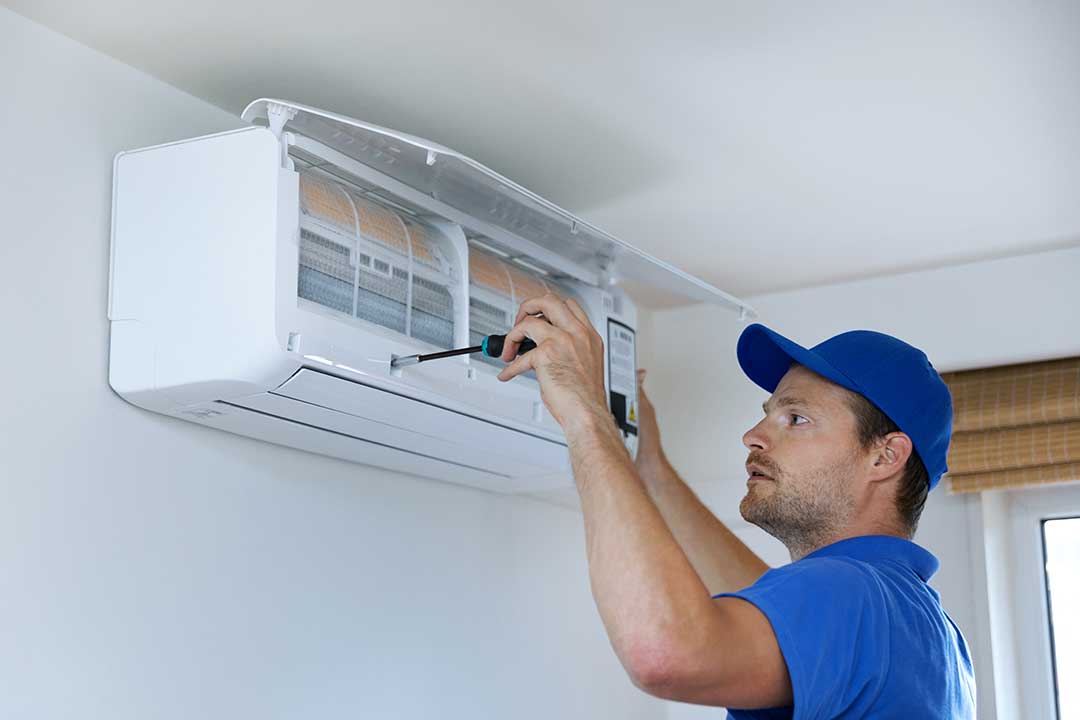
Closing a vent temporarily for comfort is different from shutting many vents throughout the home. Closing supply air registers trap cold air within the duct line. This can cause air to become too cold and may result in moisture issues during the cooling season. If certain rooms are consistently too hot or too cold, the cause may involve duct design, insulation, air leakage, sun exposure, or a thermostat location rather than a need to close vents.
Does a larger air conditioner cool better?
No. An oversized air conditioner may cool the air quickly but fail to control humidity properly.
Effective cooling requires both temperature reduction and moisture removal. A system that reaches the thermostat setting very quickly may shut off before it has operated long enough to remove sufficient humidity. The result can be a home that feels cool but damp.
This matters in Summerville, where warm, humid conditions can place a substantial moisture load on homes. Oversizing may also cause more frequent starting and stopping, which can reduce comfort and increase mechanical wear.
Correct equipment sizing considers the home’s insulation, windows, orientation, ductwork, air leakage, occupancy, and local weather conditions. Square footage alone is not enough.
Is low refrigerant a normal part of air-conditioning operation?
No. Refrigerant is contained within a sealed system and is not consumed like fuel.
If refrigerant levels are low, the system may have a leak or may not have been charged correctly. Adding refrigerant without addressing the cause can provide temporary improvement while allowing the underlying problem to continue.
Possible signs include:
- Reduced cooling
- Longer operating cycles
- Ice on the indoor coil or refrigerant line
- Hissing or bubbling sounds
- Unusually high energy use
- Water near the indoor equipment caused by melting ice
Refrigerant handling involves specialized equipment and environmental requirements. A suspected leak should not be treated as routine maintenance.
Does a dirty outdoor unit always mean the system is failing?
No. Light dust or surface debris does not necessarily indicate a major problem.
Outdoor coils can collect grass clippings, pollen, leaves, and cotton-like plant material. Heavy buildup can restrict airflow and reduce heat transfer, especially during hot weather. Keeping the area around the outdoor unit clear is useful, but aggressive cleaning can bend delicate fins or force water and debris deeper into the coil.
The outdoor unit also needs adequate clearance for air movement. Stored items, dense vegetation, fencing, and temporary coverings can interfere with operation.
Is routine maintenance only necessary before summer?
No. Seasonal attention is useful, but HVAC problems do not follow a single calendar.
In the local climate, air conditioning may operate for much of the year, while heating systems can sit unused for extended periods before a sudden cold spell. Checking filters, thermostat operation, visible wiring, condensate drainage, and outdoor clearance before heavy-use periods can reveal simple issues early.
Some conditions require qualified service for safety or compliance, particularly electrical faults, gas-burning equipment problems, refrigerant leaks, water damage, and repeated circuit-breaker trips. Homeowners should not remove safety panels or work on energized equipment.
Understanding these myths helps residents make better decisions without overreacting to every unusual sound or temperature change. The most reliable clues are consistent: abnormal humidity, weak airflow, unexplained energy increases, water leakage, repeated short cycling, and comfort problems that persist across several days.