
 See My Latest Article on HelloNation
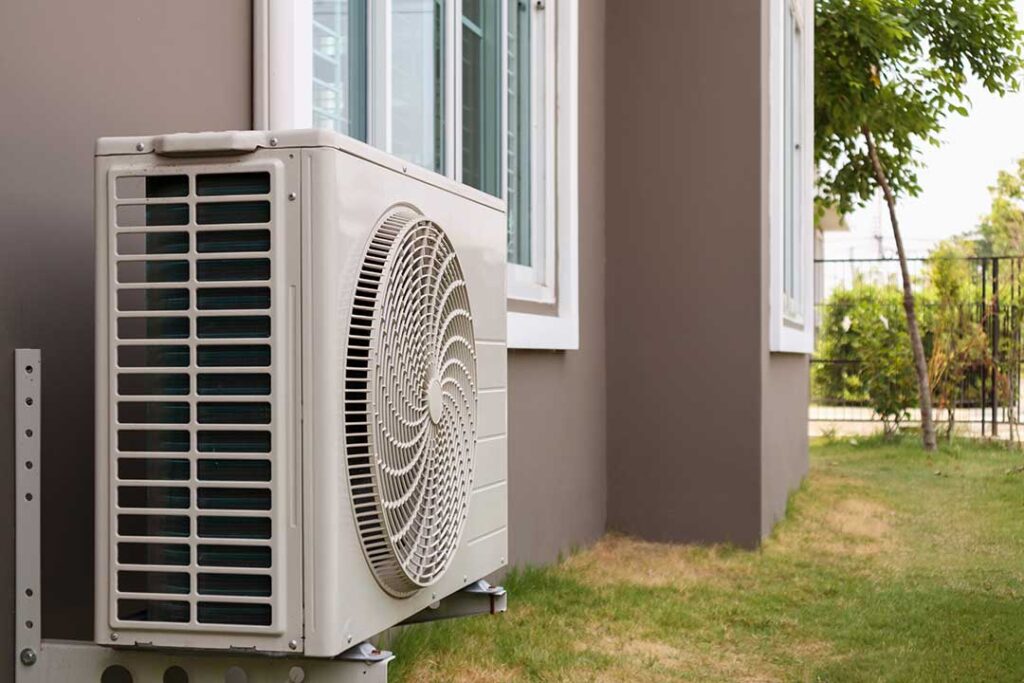
Regular HVAC maintenance is a practical part of home care in Summerville, SC, where air-conditioning systems often run for long stretches during hot, humid weather. Preventive attention can help a system operate more reliably, control indoor moisture, support better air quality, and reveal developing problems before they become disruptive repairs.
Why does regular HVAC maintenance matter?
Routine maintenance helps an HVAC system perform the jobs it is designed to do: move air, remove heat, control humidity, and maintain a steady indoor temperature. A system that is neglected may still run, but it often has to work harder and may provide less consistent comfort.
Dust buildup, restricted airflow, dirty coils, worn electrical components, and clogged condensate drains can all reduce performance. These conditions do not always cause an immediate breakdown. More commonly, they gradually increase operating strain until the system struggles during the hottest part of the year.
For area households, this matters because cooling equipment may operate almost continuously during summer heat waves. A small airflow or drainage problem can become much more serious after hours of uninterrupted operation.
How often should an HVAC system be maintained?
Most homes benefit from a professional inspection and tune-up at least once each year. A common approach is to check cooling equipment in spring, before the longest period of air-conditioning use, and heating equipment in fall if the home has a heat pump, furnace, or other heating system.
Some households may need more frequent attention. Consider a shorter maintenance interval when:
- The system runs for long hours or serves a large household
- The home has pets, renovation dust, or unusually high indoor dust
- Residents have allergies or respiratory sensitivities
- The equipment is older or has a history of drainage or airflow problems
- Filters become visibly dirty well before the expected replacement interval
The correct schedule depends on the equipment, the home, and how heavily the system is used. Manufacturer instructions should guide filter type, inspection intervals, and other routine requirements.
What does an HVAC maintenance visit usually include?
A thorough maintenance check goes beyond changing a filter. The exact process varies by system, but it commonly includes an examination of the components that affect safety, airflow, cooling, heating, and moisture control.
Typical tasks may include:
- Checking and replacing the air filter when needed
- Inspecting electrical connections and operating controls
- Checking refrigerant-related performance on applicable systems
- Cleaning accessible coils and removing accumulated debris
- Inspecting the blower, fan, and moving components
- Checking the condensate pan, drain line, and safety shutoff
- Examining duct connections and accessible insulation
- Measuring temperature change and checking airflow
- Inspecting outdoor equipment for leaves, grass, dirt, and obstructions
- Reviewing unusual sounds, odors, cycling patterns, or uneven temperatures
Maintenance should also include attention to the area around the equipment. Items stored too close to an indoor air handler or outdoor condenser can restrict access or airflow. Outdoor units need reasonable clearance from vegetation and debris so that air can move through the coil.
Can maintenance reduce energy use?
Maintenance can help reduce wasted energy, although it cannot overcome an undersized, poorly designed, or severely aging system. An air conditioner with restricted airflow or dirty heat-transfer surfaces may run longer to reach the thermostat setting. Longer run times generally mean greater electricity use and more wear on operating components.
A clean filter and unobstructed airflow are especially important. A clogged filter makes the blower work against greater resistance and can reduce the amount of conditioned air reaching living spaces. However, installing a filter that is more restrictive than the system is designed to handle can also create airflow problems. The filter should be the correct size and efficiency for the equipment.
Energy performance is also affected by duct leaks, thermostat placement, insulation, sun exposure, and air leakage around doors and windows. Maintenance is one part of a broader home-comfort picture, not a substitute for addressing major building problems.
How does maintenance affect indoor humidity?
In a humid climate, an air conditioner does more than lower temperature. As warm indoor air moves across the cooling coil, moisture can condense and drain away. If the system has poor airflow, a dirty coil, a blocked drain, or very short run cycles, it may not remove moisture effectively.
Excess indoor humidity can make rooms feel warmer than the thermostat setting suggests. It may also contribute to musty odors, condensation, and conditions that support biological growth on damp materials.
A maintenance inspection can identify drainage and coil issues, but it cannot correct every source of moisture. Plumbing leaks, ground moisture, bathroom exhaust problems, crawl-space conditions, and air leaks may also affect indoor humidity. Persistent dampness should be treated as a building or moisture-control problem rather than simply a thermostat issue.
Does HVAC maintenance improve indoor air quality?
Maintenance can support indoor air quality, particularly by keeping filtration and airflow systems functioning properly. Filters can capture some airborne particles, but they work effectively only when installed correctly and replaced as needed.
A maintained HVAC system may help reduce the circulation of dust and some other particles, but it does not remove every indoor pollutant. Source control remains important. Smoke, strong cleaning chemicals, combustion byproducts, pet allergens, and construction dust require attention at their source.
Residents should also avoid assuming that a dirty filter is the only explanation for indoor air concerns. If there are persistent odors, visible mold, repeated condensation, or unexplained respiratory irritation, the home may need a broader indoor-environment assessment.
What HVAC maintenance can homeowners do themselves?
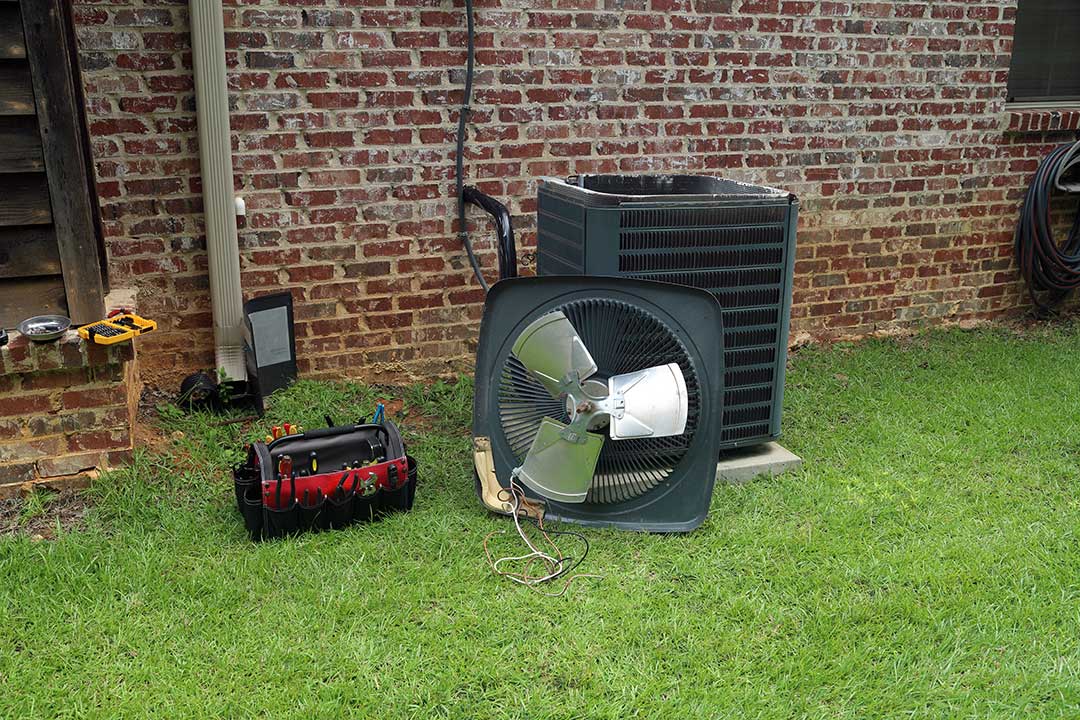
Several simple tasks are appropriate for homeowners, provided the equipment is turned off when access is required and safety precautions are followed.
Homeowners can:
- Check the filter monthly during periods of heavy use
- Replace it when dirty or according to the equipment instructions
- Keep supply registers and return grilles unobstructed
- Remove leaves and grass from around the outdoor unit
- Look for standing water near the indoor air handler
- Pay attention to new noises, odors, or repeated on-and-off cycling
- Keep records of filter changes and recurring problems
- Make sure outdoor equipment is not enclosed by overgrown vegetation
Electrical components, refrigerant circuits, gas connections, and internal mechanical repairs should not be treated as do-it-yourself projects. These areas can involve shock, fire, pressure, or refrigerant hazards.
What warning signs should not be ignored?
Some symptoms suggest that a system needs attention rather than continued operation without investigation:
- Water around the indoor unit or ceiling stains near ductwork
- A burning smell, sparking, or a tripped breaker
- Ice on refrigerant lines or the indoor coil
- Weak airflow from multiple registers
- Rooms that remain humid or uncomfortable
- Frequent short cycling
- Loud grinding, scraping, or rattling
- A sudden increase in electricity use without a clear reason
A system should be turned off when there is smoke, a strong burning odor, active water damage, exposed wiring, or another immediate safety concern. Gas odors require leaving the area and following local emergency guidance.
Why is seasonal timing useful in Summerville?
Seasonal maintenance is most useful before the equipment faces its heaviest workload. In Summerville, the cooling system may be placed under significant demand from late spring through early fall, while heat pumps may operate during mild but changeable winter conditions.
Checking the system before peak use gives homeowners a chance to address airflow, drainage, and electrical concerns before an extended hot spell. It also provides an opportunity to confirm that the thermostat, filter, outdoor coil, and condensate system are ready for sustained operation.
Regular maintenance does not guarantee that an HVAC system will never fail. It does, however, make performance problems easier to identify, supports more predictable comfort, and helps protect the equipment from avoidable strain.