

 See My Latest Article on HelloNation
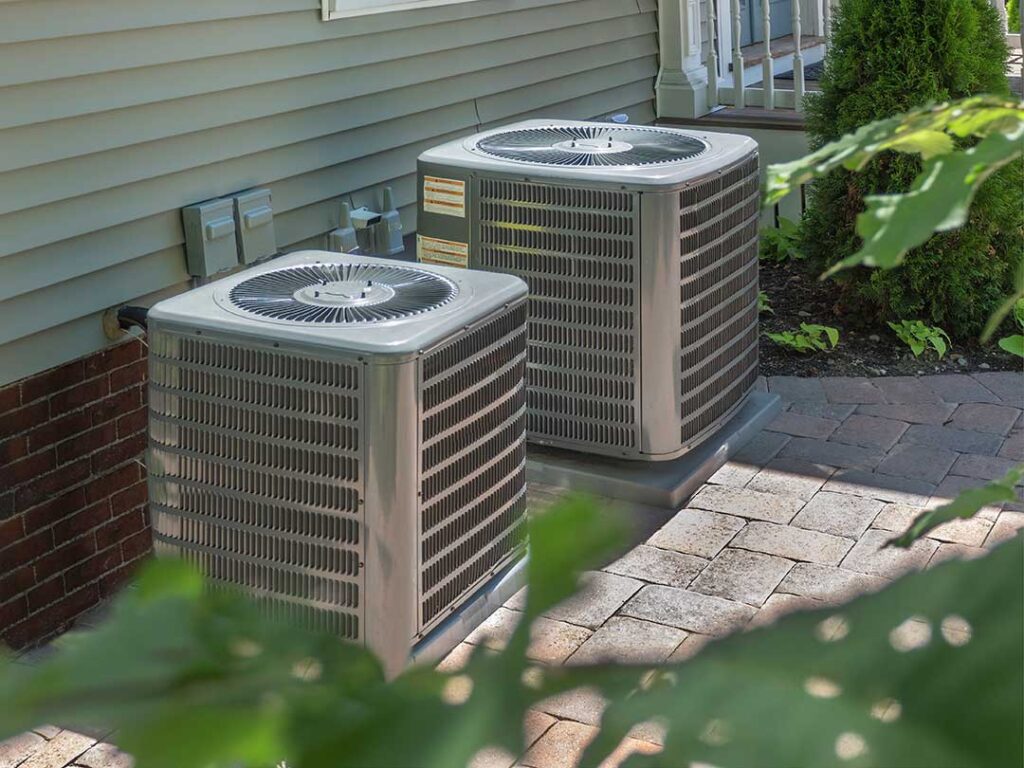
What are the first signs that an air conditioner needs maintenance?
The earliest signs are often small changes in comfort, airflow, sound, or energy use. An air conditioner may still cool the home while operating less efficiently or developing a problem that could become more serious during hot weather.
Common warning signs include:
- Rooms taking longer to cool than usual
- Uneven temperatures between rooms
- Weak airflow from supply vents
- Unusual sounds or odors
- Water near the indoor unit
- More frequent cycling
- A noticeable increase in electricity use
- Higher indoor humidity
- Ice forming on refrigerant lines or the indoor coil
None of these symptoms should automatically be treated as proof of a major failure. However, they indicate that the system deserves closer attention.
Why are some rooms warmer than others?
Uneven cooling can result from restricted airflow, blocked vents, dirty filters, duct leakage, insulation problems, or an air conditioner that is struggling to meet the cooling demand.
In homes with additions, converted garages, large open living areas, or rooms located far from the indoor unit, temperature differences can be more noticeable. Older homes may also have ductwork that has shifted, loosened, or become poorly sealed over time.
Before assuming the equipment has failed, check whether:
- Supply vents are open and unobstructed
- Return grilles are not covered by furniture
- The air filter is clean and properly installed
- Doors or furnishings are limiting airflow
- The problem affects one room or the entire home
A single warm room may point to an airflow or duct issue. Widespread weak cooling may suggest a problem with the air conditioner itself.
What does weak airflow indicate?
Weak airflow usually means the system cannot move enough air through the home. A heavily loaded filter is a common cause, but it is not the only one.
Other possibilities include a dirty indoor coil, a blocked return, a damaged blower component, disconnected ductwork, or duct leakage. If airflow is weak at every vent, the restriction may be near the air handler or return side. If only a few vents are affected, the issue may be limited to branch ducts or registers.
Replacing a disposable filter with the correct size and airflow rating can help. Filters should not be stacked, forced into place, or installed backward. A filter that is too restrictive for the system can also reduce airflow.
If airflow remains weak after a filter change, continued operation may increase strain on the equipment.
Which air conditioner sounds are abnormal?
Air conditioners normally produce a steady hum, the sound of air moving through ductwork, and brief changes in sound when the compressor or blower starts and stops. New or worsening sounds deserve attention.
Examples include:
- Rattling: Loose panels, screws, debris, or a deteriorating component
- Grinding: Possible motor or bearing wear
- Squealing: Belt or motor-related problems on some systems
- Banging: A loose blower component or another moving part
- Hissing: Air escaping from ductwork or possible refrigerant-related trouble
- Clicking that continues: Electrical or control problems
- Repeated starting and stopping: A control, airflow, sizing, or temperature-sensing issue
Turn the system off if a sound is severe, accompanied by a burning odor, or followed by smoke, sparks, or a tripped breaker. Electrical problems should not be investigated by opening equipment panels.
Why is there water around the indoor unit?
A small amount of water near the indoor air handler can indicate a clogged condensate drain, a damaged drain pan, a failed condensate pump, or a frozen coil that later melted.
Air conditioning naturally removes moisture from indoor air. That moisture should flow through a drain system. If the drain becomes blocked, water may collect near the equipment or back up into an emergency pan.
Water can damage flooring, ceilings, insulation, and nearby electrical components. If the system is actively leaking, shut it off if safe to do so and keep people away from wet electrical areas. Do not pour harsh chemicals into the drain line, since they may damage components or create a hazard.
In the humid climate around Summerville, SC, condensate systems operate frequently during the cooling season. This makes drainage maintenance especially relevant, particularly in homes with equipment located in attics, closets, or other areas where a leak may not be noticed immediately.
Is ice on the air conditioner a sign of low refrigerant?
Ice on the refrigerant line, indoor coil, or outdoor unit is not normal. Low refrigerant is one possible cause, but restricted airflow can produce the same symptom.
A dirty filter, blocked return, failing blower, or heavily soiled coil can reduce the amount of warm indoor air passing over the coil. Without enough airflow, the coil may become cold enough to freeze. Refrigerant loss can also lower system pressure and cause icing.
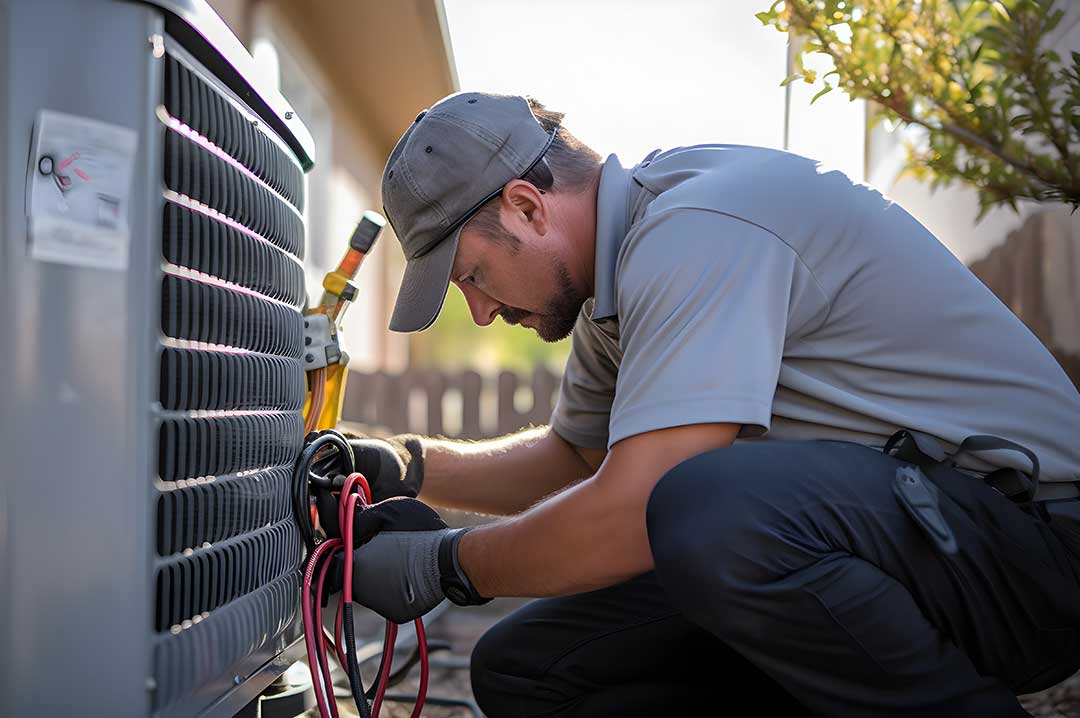
Turn the system off and allow the ice to melt. Continuing to run a frozen system can stress the compressor and may allow water to overflow as the ice melts. Avoid breaking the ice away with tools, which can damage tubing and coil surfaces.
Because refrigerant circuits are sealed systems, a recurring low-refrigerant condition usually requires finding and correcting the source rather than simply adding refrigerant.
What does short cycling mean?
Short cycling occurs when the air conditioner starts and stops repeatedly without completing a normal cooling cycle. This can happen when the system runs for only a few minutes at a time, especially during moderate outdoor conditions.
Possible causes include:
- A dirty filter or restricted airflow
- A thermostat located near a heat source
- A malfunctioning temperature sensor
- An oversized air conditioner
- Low refrigerant
- Electrical or control problems
- An overheating compressor
Short cycling wastes energy and prevents the system from removing humidity effectively. It also increases wear on starting components. In warm, humid weather, a home may feel clammy even when the thermostat reaches its selected temperature.
Why can an air conditioner cool but still leave the home humid?
Cooling and dehumidification happen together, but they are not exactly the same task. An air conditioner needs sufficient run time for moisture to condense on the indoor coil and drain away.
A system that is oversized, short cycling, or operating with poor airflow may lower the temperature without removing enough humidity. Open doors, air leaks, crawl-space moisture, and inadequate ventilation can also contribute to a damp indoor feel.
Signs of excessive indoor humidity include:
- A sticky sensation even at a comfortable temperature
- Condensation on supply vents or windows
- Musty odors
- Swollen wood or peeling finishes
- Mold growth in persistently damp areas
Humidity problems should not be addressed by simply lowering the thermostat. That may increase operating time without correcting the underlying cause.
How often should air conditioning maintenance be considered?
A seasonal inspection is commonly considered before the period of heaviest cooling demand, especially if the system has shown warning signs or has not been checked recently. Homes with pets, nearby construction dust, frequent occupancy, or difficult access to filters may need closer attention.
Routine maintenance may include checking electrical connections, airflow, condensate drainage, coil condition, blower operation, thermostat performance, and refrigerant-related measurements. Some tasks require specialized tools and should not be attempted by homeowners.
Homeowners can safely monitor basic conditions by keeping outdoor equipment clear of leaves and stored items, changing filters according to household conditions, checking for unusual water, and observing changes in sound or cooling performance.
When does an air conditioner problem require prompt attention?
Prompt attention is appropriate when there is an electrical burning smell, smoke, sparking, a repeatedly tripped breaker, a refrigerant leak, significant water damage, or a compressor that makes a loud abnormal noise.
A system that is merely less efficient may not represent an immediate hazard, but delaying maintenance can increase the likelihood of a breakdown during the hottest part of the season. Recording when the symptom occurs, which rooms are affected, and whether the system is running continuously can make diagnosis more accurate.
The most useful warning sign is often a change from the system’s normal behavior. Air conditioners rarely become unreliable without showing at least one earlier change in sound, airflow, moisture, cycling, or comfort.