

 See My Latest Article on HelloNation
Heating costs can rise quickly during cold spells, especially in homes with drafty windows, older ductwork, or heat pumps that run for long periods. In Summerville, SC, winter weather is generally milder than in colder parts of the country, but temperature swings, damp air, and chilly nights can still make a home feel uncomfortable and increase energy use.
The most effective savings usually come from combining a reasonable thermostat setting with simple air-sealing, airflow, and maintenance habits. Many improvements cost little or nothing and can make rooms feel warmer without requiring the heating system to run constantly.
What thermostat setting saves the most money?
Large, rapid temperature changes are not always necessary. Heat pumps, which are common in the region, may operate less efficiently when the thermostat is raised several degrees at once. Raising the set point two degrees or more on most thermostats will activate electric backup heaters. This will result in high energy use. A modest adjustment of one to two degrees is often more practical than turning the heat completely off and then demanding a quick recovery. Some thermostats offer a smart recovery option that will not activate the electric backup heaters.
A programmable or smart thermostat can make temperature changes automatically. Useful settings may include:
- A lower temperature overnight
- A lower setting during work or school hours
- A gradual return to a comfortable temperature before people arrive home
- A steady setting during short absences instead of frequent manual adjustments
Large, rapid temperature changes are not always necessary. Heat pumps, which are common in the region, may operate less efficiently when the thermostat is raised several degrees at once. A modest adjustment of two to four degrees is often more practical than turning the heat completely off and then demanding a quick recovery.
Avoid setting the thermostat higher than the desired temperature to “heat the house faster.” Most systems do not warm a home faster at a higher setting; they simply run until the higher target is reached.
How can drafts be reduced without major remodeling?
Stopping unwanted air leakage is one of the simplest ways to make a home feel warmer. Gaps around exterior doors, windows, plumbing penetrations, attic hatches, and electrical outlets can allow heated air to escape and cold air to enter.
Check for noticeable drafts around:
- Door thresholds and worn weatherstripping
- Window edges and loose trim
- Attic access panels
- Fireplace dampers when the fireplace is not in use
- Pipe and wire openings under sinks or behind cabinets
- Recessed lights or ceiling fixtures below an unconditioned attic
Removable rope caulk, door sweeps, weatherstripping, and properly applied caulk can address many small leaks. Curtains and shades also help reduce heat loss through windows at night. Open them when sunlight warms a room, then close them after sunset.
Homes with vented crawl spaces or attics may also have air leaks that are not visible from living areas. Cold floors, uneven room temperatures, or a noticeable breeze near baseboards can indicate that outside air is entering through lower-level gaps.
Should ceiling fans be used during winter?
Yes, but only at a low speed and in the correct direction. Many ceiling fans have a reverse setting that moves warm air down from the ceiling without creating a strong cooling breeze.
A fan can help rooms feel more evenly heated, particularly in spaces with high ceilings. Use the lowest comfortable speed, and turn the fan off when the room is empty. A fan does not create heat, so running it unnecessarily can increase electricity use without improving comfort.
Why do some rooms stay cold even when the thermostat says the house is warm?
Uneven temperatures are often caused by restricted airflow, duct leakage, poor insulation, or sunlight and shade differences between rooms. Closing several supply vents may make the problem worse by increasing pressure in the duct system.
Keep supply registers and return grilles clear of furniture, rugs, curtains, and storage bins. Vacuum dust from visible grilles and check that furniture is not blocking the path of heated air.
If one room remains unusually cold, look for:
- A closed or partially closed register
- A blocked return-air grille
- Gaps around windows or exterior doors
- Ductwork running through an unheated attic or crawl space
- A room located over a garage, porch, or other unconditioned area
- Insufficient insulation above the ceiling or below the floor
A portable electric heater may seem like an easy solution, but it can use substantial electricity and creates fire and burn risks. It should never be left unattended, placed near curtains or bedding, or operated with an extension cord unless the manufacturer specifically allows it.
What heating-system maintenance can lower energy use?
Basic maintenance helps the system move air efficiently. A dirty filter can restrict airflow, increase operating time, and contribute to poor comfort. Check the filter regularly and replace or clean it according to the equipment instructions and household conditions.
Homes with pets, construction dust, fireplaces, or residents with allergies may need more frequent filter attention. A filter should fit correctly without bending, gaps, or excessive resistance. A very dense filter is not automatically better if the system is not designed to handle it.
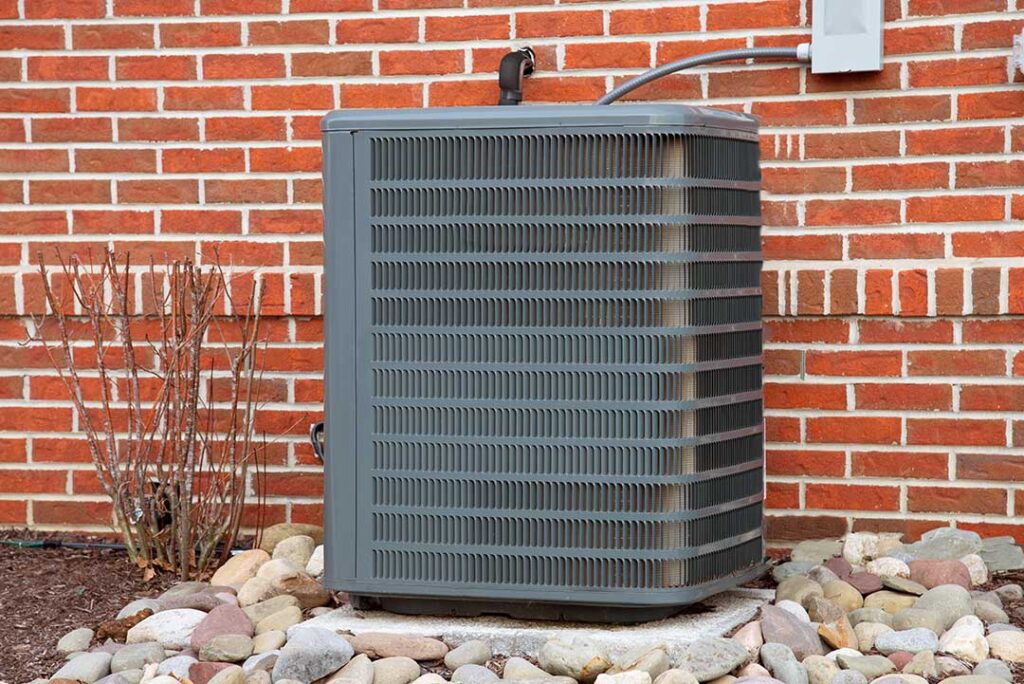
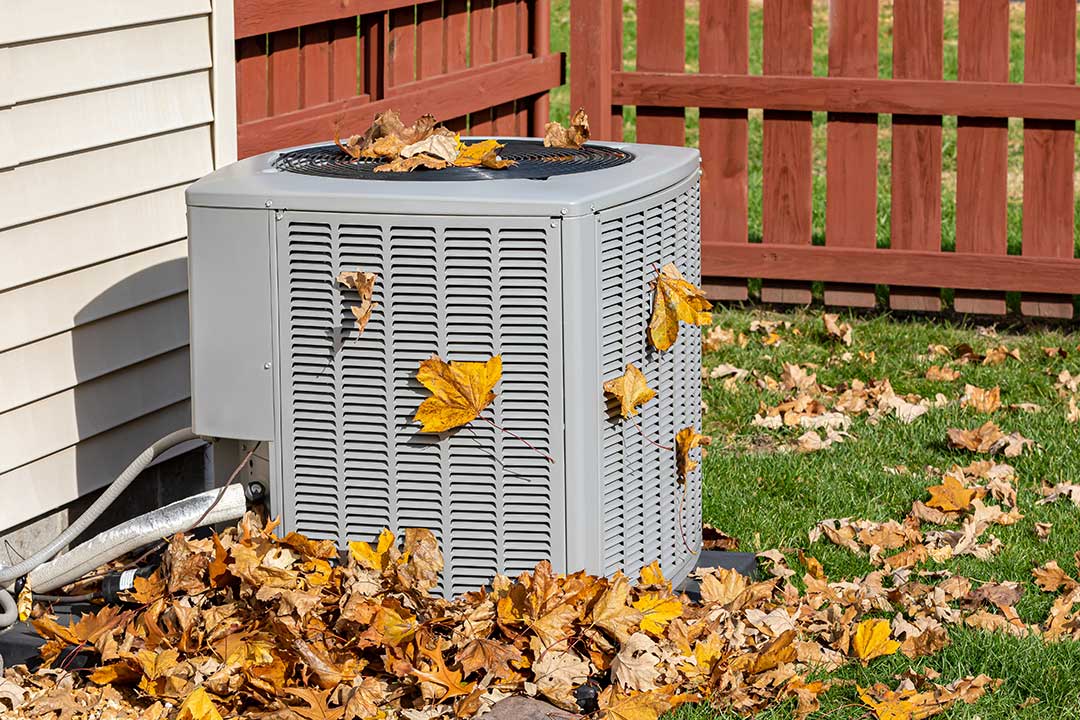
Keep outdoor heat-pump equipment clear of leaves, pine straw, grass clippings, and other debris. Maintain open space around the unit so air can move freely. Do not cover an outdoor heat pump during winter operation; it must exchange heat with the outdoor air.
If the system produces burning odors that do not quickly disappear, trips a breaker, makes unusual mechanical noises, or fails to maintain a safe temperature, stop using it if necessary and arrange for qualified evaluation. Electrical faults, refrigerant issues, and combustion problems should not be treated as do-it-yourself repairs.
Does humidity affect winter comfort?
Yes. Damp winter air can make indoor temperatures feel colder even when the thermostat reading seems comfortable. Excess humidity can also contribute to condensation on windows and encourage mold growth.
Use kitchen and bathroom exhaust fans during activities that create moisture, but avoid running them longer than necessary because they also remove conditioned air. Dry wet clothing and towels promptly, and address plumbing leaks or persistent condensation.
A comfortable humidity level depends on the home and weather, but excessive indoor moisture is a warning sign. If windows regularly collect water, inspect ventilation and moisture sources rather than simply raising the thermostat.
Which low-cost changes are most worthwhile?
For many households, the best starting sequence is:
- Set a moderate schedule on the thermostat.
- Replace or clean a dirty filter.
- Seal obvious door and window drafts.
- Keep registers and return grilles unobstructed.
- Use curtains to reduce nighttime window heat loss.
- Reverse ceiling fans and run them at low speed.
- Keep outdoor heat-pump equipment clear.
- Check the attic hatch, crawl-space access, and fireplace damper.
- Compare room temperatures to identify airflow or insulation problems.
Energy savings should not come at the expense of safety. Never block combustion-air openings, tamper with safety controls, use an oven to heat the home, or operate heating equipment with damaged wiring. In a mild coastal climate, efficient heating is usually less about extreme thermostat changes and more about preventing heat loss, maintaining airflow, and correcting the areas where a home feels unnecessarily cold.